





Up to 50% of professional cyclists face financial distress within five years of retirement, making the transition from competitive racing one of the most challenging periods in an athlete’s life. This comprehensive guide explores the career paths, support systems, and successful transitions that help cyclists navigate life after their racing days end.
Key Takeaway
-
Up to 50% of professional cyclists face financial distress within five years of retirement
-
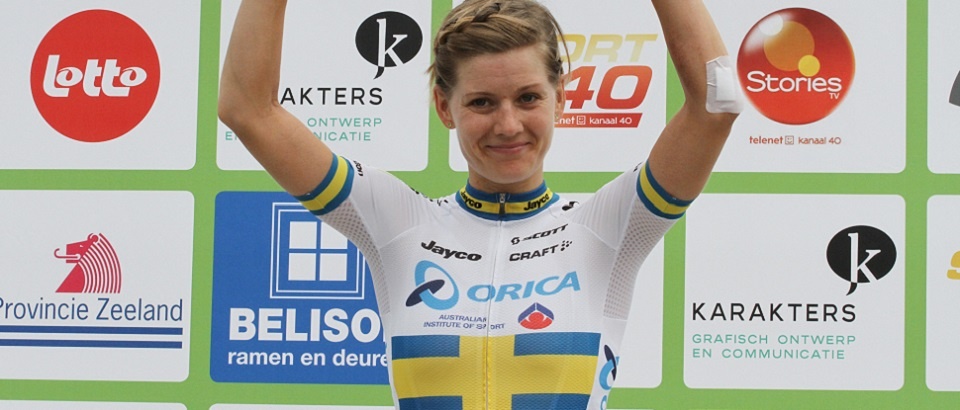
Emma Johansson successfully transitioned to commentary and development work with Uno-X Mobility
-
Common career paths include sports directors, coaches, media commentators, and business ventures
Why Professional Cyclists Struggle After Retirement

Financial risks: 50% face bankruptcy within five years
-
Research indicates that a significant percentage of professional cyclists experience financial distress or bankruptcy within five years of retirement, with estimates suggesting up to 50% face these challenges
-
Many athletes lack financial education and planning during their competitive careers, leading to poor investment decisions and inadequate savings for post-retirement life
-
The sudden loss of sponsorship income and race earnings creates immediate financial pressure, especially for those who haven’t diversified their income streams
-
High living expenses during racing careers, including travel, equipment, and coaching costs, can leave athletes with minimal savings despite years of professional competition
-
Without proper financial management, the transition from earning potential to fixed income can be devastating, forcing many former athletes to seek alternative employment or face bankruptcy
Psychological challenges of losing athletic identity
The psychological impact of retirement extends far beyond financial concerns. Athletes who have dedicated their lives to cycling face a profound identity crisis when their competitive careers end. The loss of a rigid daily routine—waking up for training, following strict nutrition plans, and traveling to races—can leave former cyclists feeling unmoored and purposeless. Many struggle to adapt to what they perceive as “normal” life, where the structure and goals that defined their existence for years suddenly disappear.
The transition often triggers depression and anxiety as athletes grapple with questions of self-worth outside of their athletic achievements. Without the validation that comes from competition and performance, former cyclists must rebuild their sense of identity from the ground up. This process can take years and requires significant emotional support and professional guidance to navigate successfully. The sudden absence of clear performance metrics—power numbers, race results, and training data—leaves many athletes struggling to measure their progress and value in new contexts.
Career Paths for Retired Professional Cyclists

Staying in cycling: sports director, coach, and commentator roles
-
Many retired cyclists transition into roles within the cycling industry, leveraging their experience and knowledge to remain connected to the sport they love
-
Sports directors guide professional teams during races, making tactical decisions and managing rider performance based on their own racing experience
-
Coaching positions allow former athletes to share their expertise with the next generation, helping young riders develop the skills and strategies needed for professional success
-
Media commentary and analysis roles utilize cyclists’ deep understanding of race dynamics, tactics, and rider capabilities to provide insightful coverage for fans and viewers
-
Brand ambassador and marketing positions capitalize on athletes’ recognition and credibility to promote cycling products, teams, and events to broader audiences
-
Event management and organization roles allow former racers to apply their knowledge of race logistics and rider needs to create better competitive experiences
-
Equipment testing and development positions leverage athletes’ technical understanding of cycling technology and performance requirements
Emma Johansson’s successful transition to Uno-X Mobility
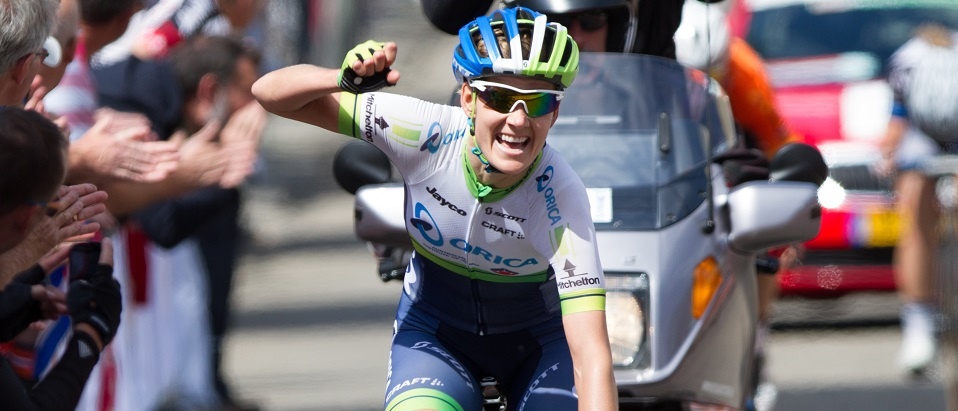
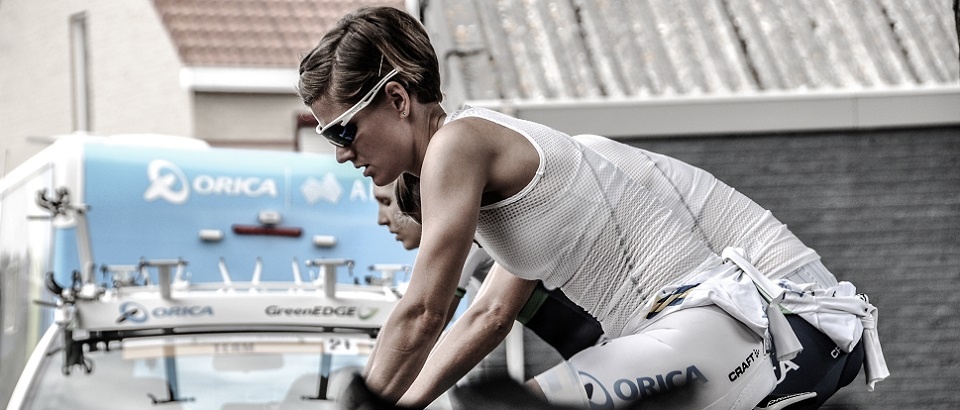
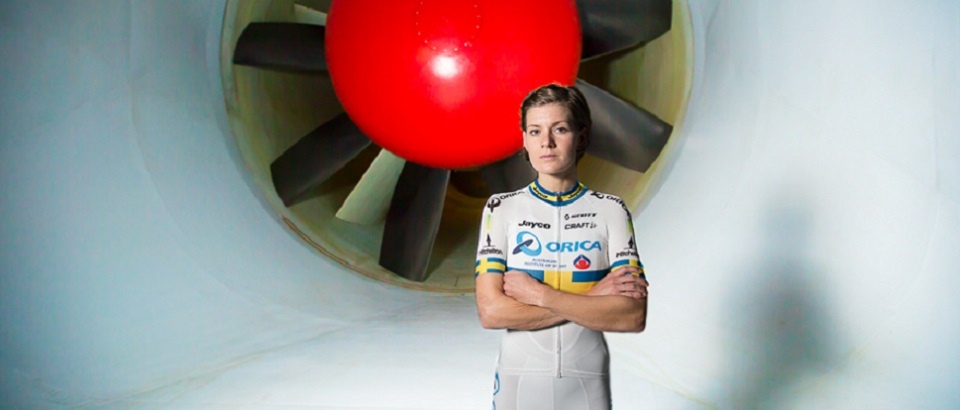
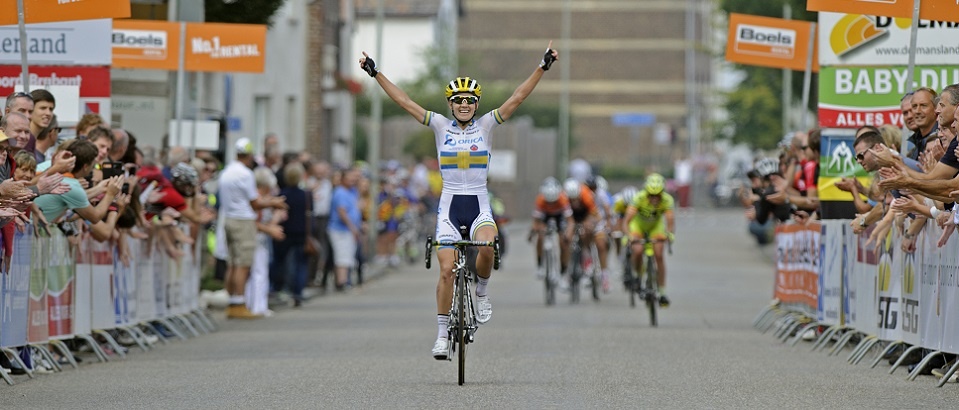
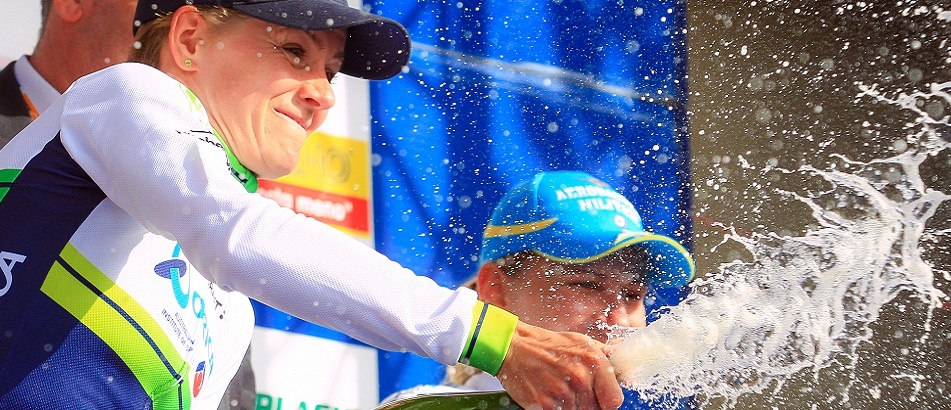
Emma Johansson‘s retirement journey exemplifies a successful transition from professional racing to meaningful post-cycling work. After retiring following the 2016 season, she took a transitional year in 2017 with Wiggle High5 before fully embracing new opportunities. Johansson focused on family life and motherhood while developing her professional speaking platform, “World’s Best Me,” which shares insights on personal development and achieving peak performance.
As of 2026, Johansson works in cycling commentary and development for Uno-X Mobility, where she contributes to the growth of women’s cycling and helps shape the future of the sport. Her transition demonstrates how former athletes can leverage their experience to create new career paths that combine their passion for cycling with broader professional goals. By maintaining connections to the cycling world while pursuing personal development and family priorities, Johansson has built a fulfilling post-retirement life that extends her impact beyond competitive racing — women’s road cycling.
Johansson’s journey highlights the importance of having a clear vision for life after competition. Rather than simply stepping away from the sport, she actively created opportunities that aligned with her values and expertise. Her work with Uno-X Mobility focuses on developing women’s cycling programs, mentoring young riders, and contributing to strategic decisions that shape the future of professional women’s racing. This approach allows her to maintain her connection to cycling while making meaningful contributions to the sport’s growth and evolution.
Support Systems for Athletes During Career Transition
Structured support strategies for retiring athletes
|
Support Strategy |
Benefits |
Implementation |
|---|---|---|
|
Professional counseling |
Addresses psychological challenges and identity issues |
Regular sessions with sports psychologists or career counselors |
|
Mentorship programs |
Provides guidance from athletes who successfully transitioned |
Pairing with retired athletes in desired career fields |
|
Financial planning services |
Helps manage assets and create sustainable post-retirement income |
Working with financial advisors specializing in athlete transitions |
|
Networking groups |
Connects athletes with industry opportunities and support |
Joining professional associations and alumni networks |
|
Skill development programs |
Builds new competencies for alternative careers |
Vocational training and continuing education courses |
|
Career transition workshops |
Provides practical tools for job searching and resume building |
Intensive programs focused on professional development |
|
Physical health programs |
Maintains fitness while adapting to new lifestyle needs |
Structured exercise programs designed for former athletes |
Building a new identity beyond athletic achievements
The process of redefining oneself beyond athletic achievements requires intentional effort and support. Former cyclists must discover new passions, develop different skills, and create goals that extend beyond competitive performance. This transformation often involves exploring interests that were set aside during their racing careers, whether that means pursuing education, starting businesses, or engaging in community service.
Successful transitions typically involve creating new routines that provide structure without the demands of professional training. This might include regular exercise for health rather than competition, volunteering in cycling communities, or taking on leadership roles in different contexts. The key is finding activities that provide a sense of purpose and achievement while allowing former athletes to contribute their unique skills and experiences to new environments.
Many athletes find that their competitive experience translates well to business and leadership roles. The discipline, goal-setting abilities, and resilience developed through professional cycling often become valuable assets in new careers. Former cyclists frequently excel in project management, sales, and entrepreneurial ventures where their competitive drive and work ethic provide significant advantages. The challenge lies in recognizing these transferable skills and effectively communicating their value to potential employers or business partners.
The most surprising finding in studying cyclist transitions is that financial distress affects up to 50% of professional cyclists within five years of retirement, yet this issue remains largely unaddressed in athlete development programs. This statistic reveals a critical gap in how sports organizations prepare athletes for life after competition. To take action, retired cyclists should seek professional financial planning services immediately upon retirement, even if they feel financially secure, as early intervention can prevent the cascade of financial problems that many athletes experience. Additionally, connecting with mentorship programs that pair retiring athletes with successful post-retirement professionals can provide both practical guidance and emotional support during this challenging transition period.